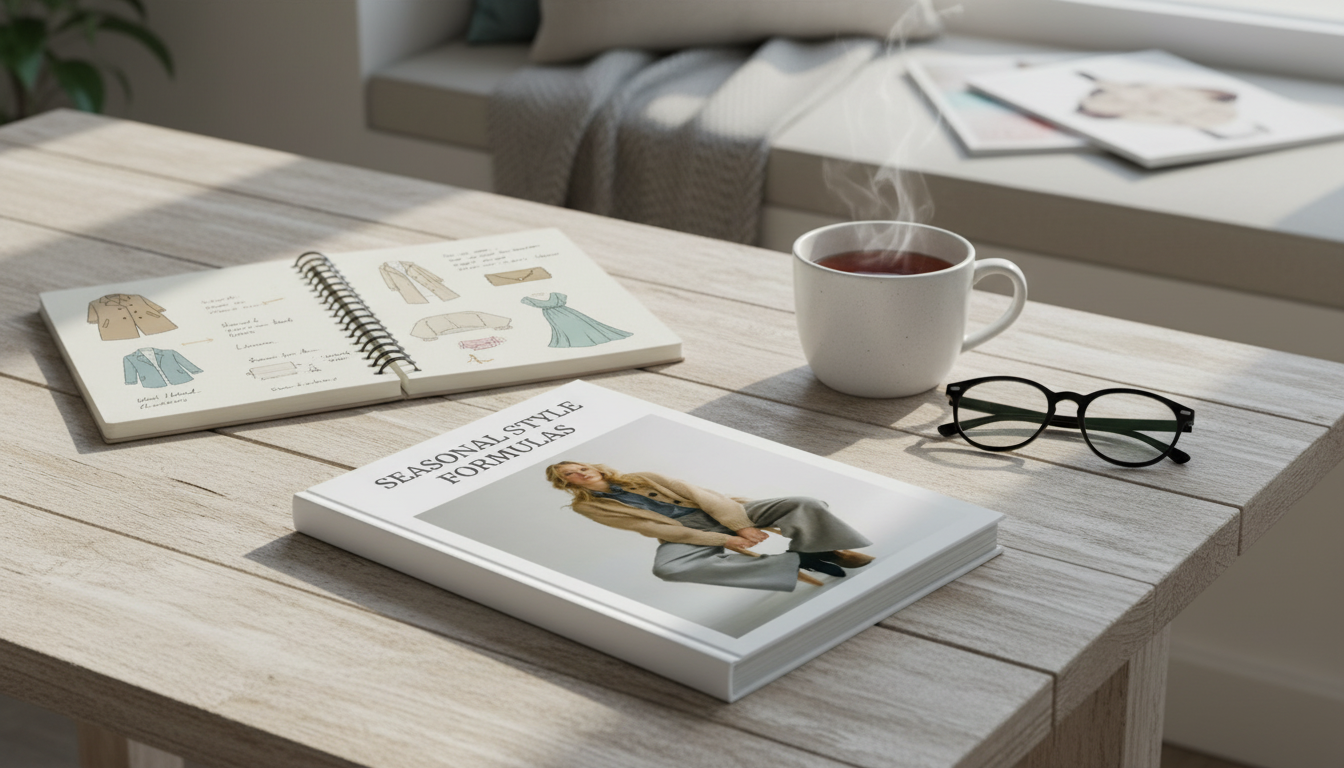
Getting dressed gets easier when outfits follow repeatable formulas. Seasonal style formulas turn a closet into a set of mix-and-match building blocks, so outfits feel cohesive in spring, summer, fall, and winter without overthinking. This guide breaks down practical outfit formulas by season, how to adapt them to weather swings, and how a printable/digital checklist can streamline daily choices. For more guidance, see [PDF] The Style Checklist The Ultimate Wardrobe Essentials For You By ….
An outfit formula is a repeatable structure—think base + layer + shoe + finishing touch—that can be rebuilt with different pieces. Instead of staring at every item you own, you’re simply filling a few “slots,” which cuts decision fatigue and speeds up mornings. For further reading, see 7 Easy Ways to Transition Your Wardrobe Into Spring – AARP.
Formulas also create consistency. Even simple basics look intentional when silhouettes, proportions, and color stories repeat in a familiar way. And when something feels “off,” a formula helps pinpoint the real gap (like needing a lightweight layer or a refined warm-weather shoe) rather than triggering a whole wardrobe overhaul.
Most outfits—no matter the weather—are built from the same categories. Focus on versatile bases (tees, tanks, lightweight knits, bodysuits, simple blouses), reliable bottoms (straight-leg jeans, tailored trousers, a skirt option, and a warm-weather bottom), and one-piece anchors (a casual dress and a slightly elevated dress). Add adaptable layers (light jacket, mid-layer like a cardigan or overshirt, and a cold-weather coat if needed), plus a small shoe lineup and a few finishers (belt, structured bag, simple jewelry, and weather-specific accessories).
| Formula Slot | Examples | Why It Matters |
|---|---|---|
| Base | T-shirt, tank, blouse, knit top, bodysuit | Sets the level of casual vs. polished and supports layering |
| Bottom/Anchor | Jeans, trousers, skirt, dress | Defines silhouette and proportion |
| Layer | Cardigan, blazer, denim jacket, trench, coat | Adds warmth and visual structure |
| Shoe | Sneaker, loafer, boot, sandal | Signals season and occasion quickly |
| Finisher | Belt, jewelry, scarf, bag, sunglasses | Pulls the look together with minimal effort |
Spring style shines when outfits stay crisp and adjustable. Try these dependable spring structures:
For color, keep a neutral base and add one fresh accent (soft green, sky blue, butter yellow) to make basics feel seasonal. On warmer days, swap the trench for a cardigan; on chilly mornings, add tights under skirts and dresses for comfort without changing the outfit’s “recipe.” A clean base tee can do a lot of work here—Armani Exchange Women’s Black T-Shirt – Casual & Stylish Spring/Summer Tee is an easy anchor for multiple spring formulas.
Summer outfits feel effortless when fabrics and proportions do the heavy lifting. Keep your structure simple and let accessories add personality.
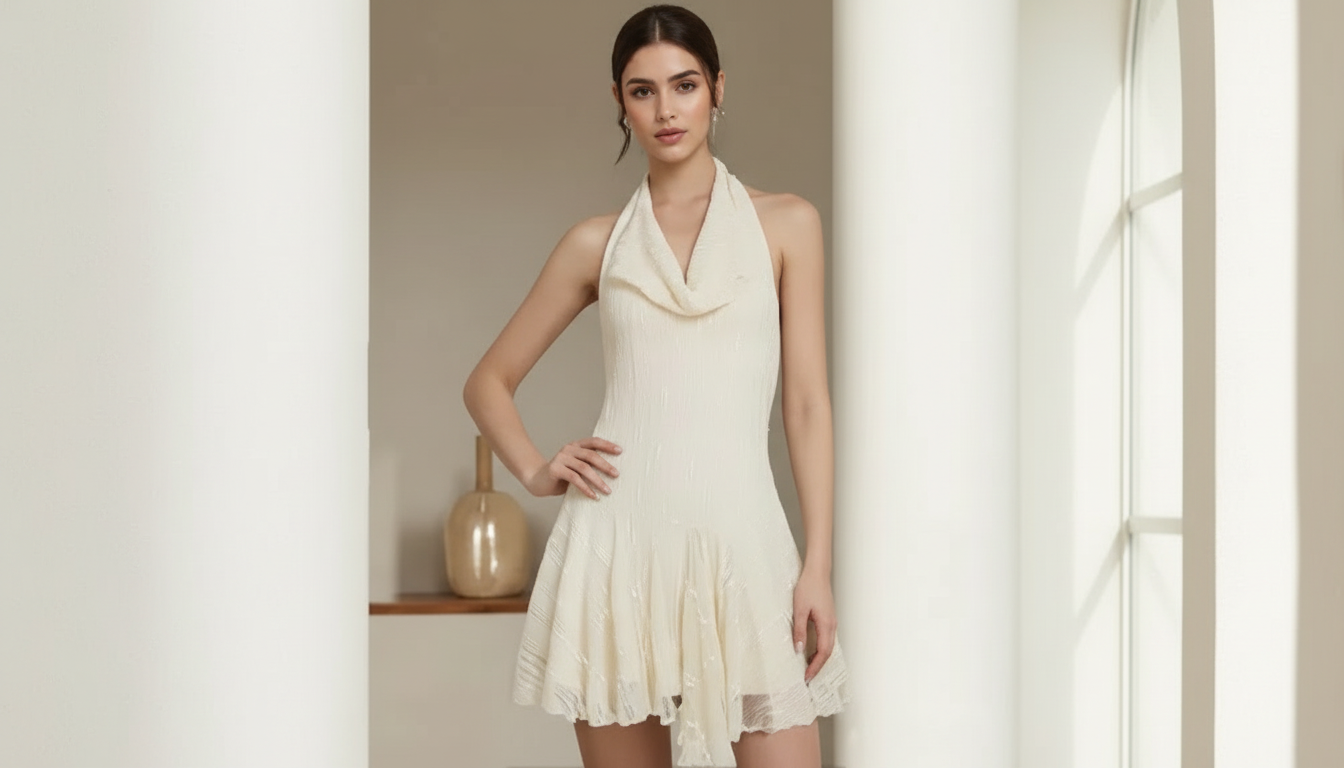
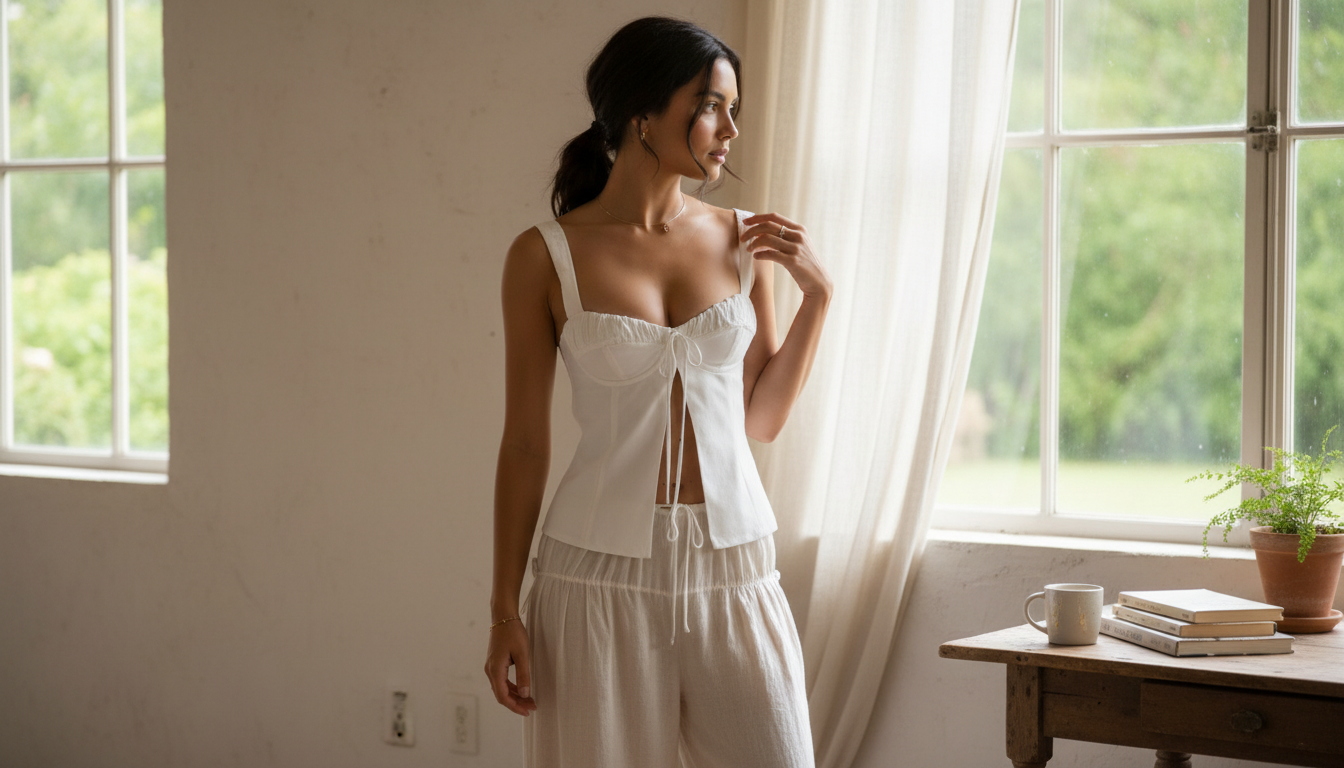
Prioritize breathable materials like cotton and linen; fiber basics and care guidance can help pieces last longer (see Britannica’s textile overview). For heat-smart styling, use a half-tuck, choose cropped layers when needed, and lean into lighter color palettes so outfits look crisp instead of heavy. For a slightly elevated top that still reads summery, Women’s Spring Lace Spliced Top pairs well with linen pants, denim, or a midi skirt.
Lifestyle matters, too. Commuting calls for comfortable shoes and layers; office days often look best with a structured top layer; caregiving benefits from easy-wash fabrics; travel rewards wrinkle-resistant anchors. Fit is the multiplier: hemming pants, adjusting waists, or tailoring sleeves can make the same formulas look noticeably more elevated. For an extra confidence boost rooted in how clothing affects mood and presence, Fashion That Speaks | Ebook on Fashion Psychology: Dress to Influence Mood, Confidence & Style adds a helpful mindset layer (and pairs well with broader perspectives like The New York Times guide on the psychology of getting dressed).
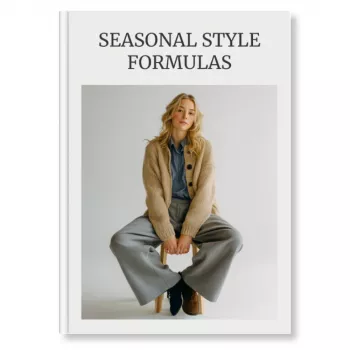
If you want the system ready to use, Seasonal Style Formulas: Effortless Outfit Formulas for Any Season – Digital Download Checklist is designed for quick outfit planning, closet gap-checking, and building a small rotation that still feels varied. It works alongside existing wardrobe staples, so you can start immediately without buying an entirely new set of clothes.
For most schedules, 8–15 formulas is plenty. Aim for 2–3 go-to weekday formulas, plus a couple for weekends and a slightly dressier option for plans or events.
Yes—build around an adjustable layering stack: a comfortable base, a mid-layer you can remove, and weather-appropriate outerwear. Swap shoes and one accessory (like a scarf or sunglasses) to match rain, wind, or temperature swings without changing the whole outfit.
Prioritize high-impact gaps first: a versatile layer, a season-appropriate shoe, or dependable outerwear usually unlocks the most outfits. Then consider secondhand options and reworking formulas with what you already own before adding anything new.








Leave a comment